
See Our Latest Blogs
Common Craft Beer Off-Flavours Explained
Beer Taste Issues, Craft Beer Problems, Off Flavours In Beer
Why Does My Beer Taste Off? The Most Common Craft Beer Problems (and What Is Actually Going On)
You lift your glass, take a hopeful sip… and instead of juicy hops or smooth malt, you get cardboard, butter, metal, or something you just cannot quite name. In that moment, it is easy to think, “This beer is bad” or “The brewery has messed up.” But very often, there is a clear reason your pint tastes wrong – and it is not always the brewer’s fault.
If you have ever wondered, “Why does my beer taste off?” you are not alone. At The Pour House in Devizes, we pour and rotate over 130 craft beers and hear this question all the time. Our goal is to help you understand what is actually going on in your glass, so you can spot genuine beer taste issues, feel confident sending something back when it is wrong, and enjoy more of the beers you love in a friendly, community-first setting.
1. What We Mean by “Beer Taste Issues”
When people talk about beer taste issues, they are usually describing “off” flavours — things that should not be there, or that are far too strong. These off flavours in beer can come from many places: the brewery, the packaging, how the beer was stored, or even how it was poured. Understanding the most common beer faults helps you tell the difference between a genuine brewing mistake and a beer that just is not your style.
At The Pour House, we taste and rotate over 130 craft beers, so we see the full spectrum: from world-class, perfectly kept pints to cans that have clearly had a rough journey. Let us break down the most frequent craft beer problems and what is actually happening behind those strange flavours.
2. Oxidation: When Your Beer Tastes Like Cardboard or Stale Bread
One of the most common beer taste issues is oxidation. If your beer tastes like wet cardboard, paper, stale crackers, or “old” sherry, oxygen is the likely culprit. A little oxygen sneaking in during packaging, or months of sitting warm on a shelf, can dull hop character and flatten malt flavours. Pale ales and IPAs are especially vulnerable; that bright hop aroma you love fades first, leaving a tired, papery finish.
This is rarely dangerous; it just means the beer is not at its best. As a beer quality tip, always check dates on hop-forward beers and store them cold whenever possible. At The Pour House, we rotate stock aggressively and keep our fridges cold so those juicy IPAs taste the way the brewer intended when they reach your glass.
3. Lightstrike: Skunky, “Weed-Like” Aromas from Too Much Light
If your beer smells skunky, like a freshly sprayed road or a certain herbal aroma, you may be dealing with lightstrike. When beer (especially in clear or green bottles) is exposed to sunlight or harsh indoor light, hop compounds break down and create that unmistakable “skunk” character. This is one of the easiest craft beer problems to spot, and once you notice it, you will never un-smell it.
Brown bottles and cans offer far better protection, which is why most modern craft breweries prefer them. For your own beer quality tips, avoid leaving bottles in direct sunlight; a sunny windowsill can ruin a beer in under an hour. At The Pour House, we store light-sensitive beers away from bright windows and rely heavily on cans for maximum freshness.
4. Diacetyl: That Buttery, Butterscotch, or Slick Mouthfeel
Another familiar off flavour in beer is diacetyl. It tastes and smells like butter, butterscotch, or cinema popcorn, and can leave a slightly oily or slick feeling on your tongue. In some traditional styles, like certain English ales, a touch of diacetyl can be acceptable. But in most modern lagers and pale ales, it is considered a common beer fault.
Diacetyl usually comes from brewing mistakes or rushed fermentation, where the yeast has not had enough time or the right conditions to “clean up” after itself. Occasionally, dirty draught lines can also contribute to similar buttery notes. As a bar that values safety and quality, The Pour House follows strict cleaning schedules for our lines and works closely with breweries that prioritise proper fermentation, so diacetyl is something we actively watch out for.
5. Infection and Wild Bugs: Sour, Ropey, or “Farmyard” Flavours (When You Did Not Order a Sour)
Not all sour or funky flavours are bad; many craft beer lovers adore wild ales and mixed-fermentation beers. But if you ordered a clean lager and it tastes sharply sour, vinegary, or strangely “farmyard”, you might be dealing with an infection. Wild yeast or bacteria can sneak into beer at the brewery, in the packaging, or through poorly maintained draught systems, causing serious beer taste issues.
Signs of infection include unexpected sourness, ropey or slimy texture, heavy barnyard or horse-blanket aromas, or intense vinegar notes. While this is usually not dangerous, it is definitely a craft beer problem that ruins the intended flavour. At The Pour House, our inclusive, community-focused approach means if something tastes off, we will happily talk it through with you and replace the beer; no judgement, just honesty and transparency.
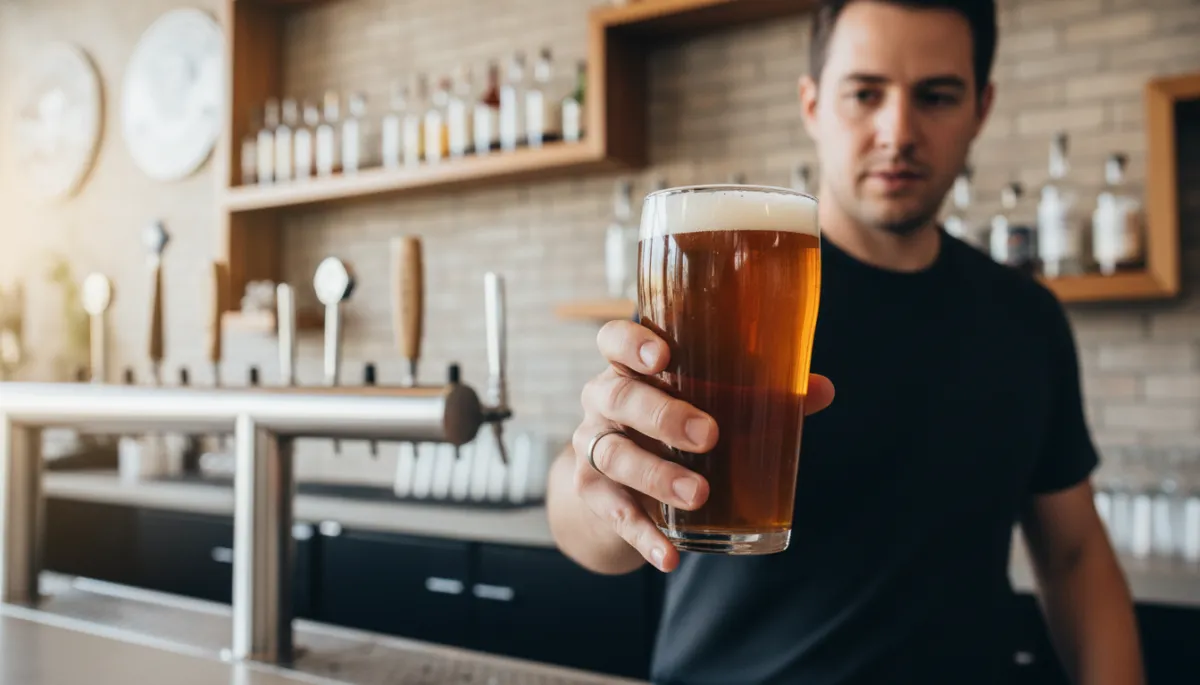
Regular line cleaning and careful pours dramatically reduce common beer faults in draught service.
6. Metallic, Solvent, or Bandage Notes: When It Tastes Like a Toolbox or Medicine Cabinet
Some off flavours in beer are instantly off-putting. Metallic notes can taste like coins, blood, or a rusty pipe. These may come from contact with reactive metals, poor-quality water, or occasionally from packaging damage. Solvent-like or nail-polish aromas usually point to high fermentation temperatures or stressed yeast; another example of brewing mistakes that push alcohols into harsh territory instead of smooth warmth.
Bandage, medicinal, or plastic notes often indicate chlorine or chloramine in brewing water, or wild yeast issues. These are all common beer faults that good breweries work hard to avoid through water treatment, tight process control, and rigorous cleaning. Our role at The Pour House is to curate breweries that share our commitment to quality and safety, so you are far less likely to meet these characters in your glass.
7. Is It a Fault... or Just the Beer Style?
Not every “weird” flavour is a problem. Some craft beer problems are actually misunderstandings between drinker and style. A Belgian saison might taste peppery, fruity, or slightly funky by design. A smoked porter will have campfire notes on purpose. A West Coast IPA will be firmly bitter, while a New England IPA is soft and hazy. If you are new to a style, it is easy to think, “Why does my beer taste off?” when it is actually doing exactly what it should.
This is where a friendly, knowledgeable team matters. Because The Pour House is a community hub as much as a bar, we love talking through styles, offering tasters, and recommending beers that match your preferences. Sometimes the best beer quality tip is simply: ask questions before you order. We are here to help you avoid disappointment and discover new favourites.
8. Simple Beer Quality Tips for Drinkers
You do not need to be a brewer to cut down on beer taste issues at home. A few small habits can make a big difference:
Store beer cold and upright: especially hop-forward beers. Heat speeds up oxidation and dulls flavour quickly.
Avoid light exposure: keep bottles and cans out of direct sunlight to prevent skunky, lightstruck flavours.
Check dates, not just discounts: a heavily reduced IPA that is a year old is rarely a bargain for your taste buds.
Use clean, scent-free glassware: detergent residue or strong smells from cupboards can masquerade as off flavours in beer.
Pour gently but firmly: a proper pour releases aroma and builds a head that protects the beer, rather than leaving it flat and lifeless.
💡 Community Tip from The Pour House: If a beer you bought from us tastes wrong, bring it back or tell us. We would rather replace it and chat about what you are experiencing than have you suffer through a bad pint in silence.
9. What Brewers Do to Avoid Common Beer Faults
Behind every great pint is a brewery working hard to avoid common beer faults. They control fermentation temperature to prevent solvent-like alcohols, carefully oxygen-proof their packaging, treat water to avoid metallic or medicinal notes, and clean obsessively to keep infections at bay. Even so, brewing mistakes can happen; brewing is a living process, not a factory conveyor belt.
As Devizes’ only independent specialist craft beer bar, The Pour House takes its role as gatekeeper seriously. We taste new beers, build relationships with breweries that share our values, and listen to feedback from our community. That way, when you spot something unusual, you know you can talk to a real person who cares about quality, safety, and your experience, not just shifting stock.
10. When Your Beer Tastes Off: What to Do Next
If you take a sip and something feels wrong, pause and ask yourself a few questions:
Is this my first time with this style? It might be an intentional flavour, not a fault.
What does it actually taste like? Cardboard, butter, skunk, metal, vinegar, plastic; naming it helps identify the cause.
How old is it and how was it stored? Warm cupboards and long car journeys on hot days are common culprits.
If you are at a bar like The Pour House, simply let us know. We will taste the beer, talk through what you are getting, and swap it if it is genuinely off. That is part of our promise: a welcoming, community-rooted space where you can learn about beer without snobbery or pressure, just good conversation and better pints.
11. Raise a Better Pint with The Pour House
Understanding beer taste issues, craft beer problems, and the most common beer faults can transform frustration into curiosity. Instead of simply thinking “this is bad”, you start to notice patterns, ask questions, and seek out places that care as much as you do. That is exactly what we aim for at The Pour House: independence, transparency, and a genuine passion for quality beer served in a safe, inclusive environment where everyone, families, dog owners, seasoned beer geeks, and total beginners, feels at home.
Next time a beer tastes off, you will have a better idea of what might be going on, and where to go for help. Visit The Pour House in Devizes to explore our rotating selection of over 130 craft beers, ask us anything about brewing mistakes and flavour, and be part of a community that supports local breweries, charities, and events. Follow us on social media for new releases, tasting nights, and community gatherings, and let us keep raising the standard of every pint together.

Take your Business From Stuck to Soaring
© 2026 Sarah Watts - All Rights Reserved